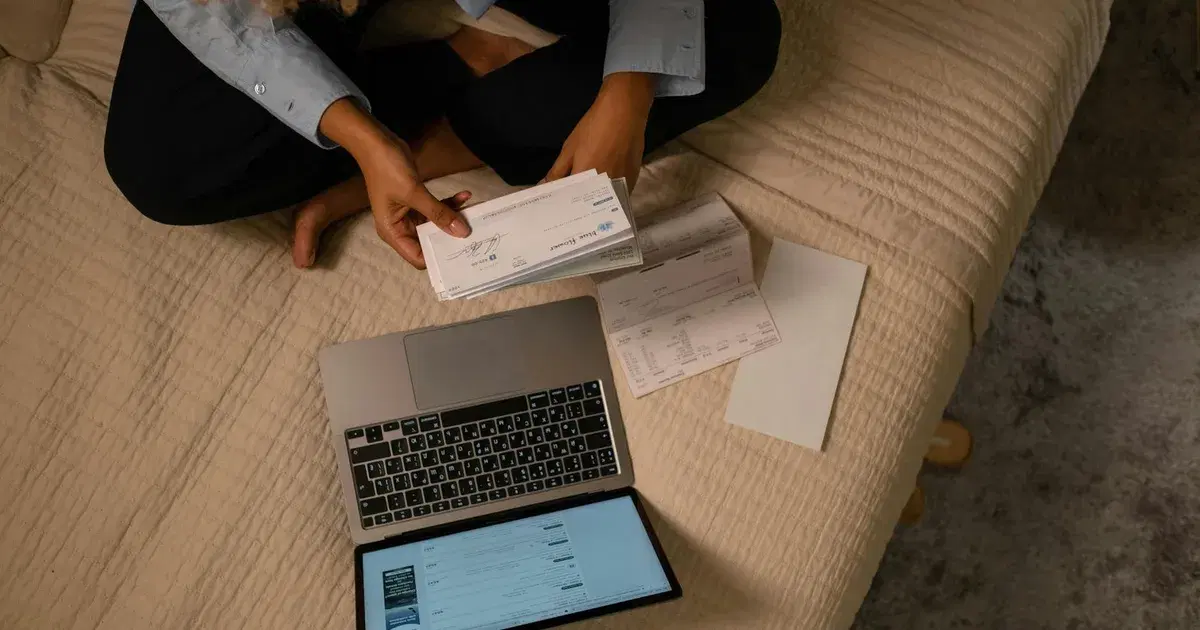
Online Bill Payment in Morocco 2026: water, electricity, telecom
In brief: bill payment in Morocco in 2026
- Categories covered: energy (electricity), water, education and other services, plus telecom subscriptions.
- Several channels: agency, mobile wallet, online - and via API for businesses that want to embed the service.
- End-to-end: Chari Money manages the full journey, from request initiation to payment execution and confirmation.
- Real time: instant execution with status returned via API or webhook, ready to display a receipt.
How to pay bills online in Morocco
The fastest way to pay a bill in Morocco is from a digital channel: you select the biller (water, electricity, telecom or a public service), enter your customer reference printed on the bill, confirm the amount that is fetched automatically, and pay. The operation is confirmed in real time and a receipt is issued. This replaces the queue at a physical counter, and it is exactly the journey businesses can now embed in their own products.
Bill payment is one of the most recurring financial services in the country. Historically done at an agency, it is rapidly digitalising via mobile wallets and online platforms. For businesses, the opportunity is to embed this service inside their own app rather than redirecting the user to a third party - keeping the customer, the data and the engagement in-house.
Which bills can you pay, and how it works
Chari Money offers an end-to-end bill-payment journey covering energy, water and education, among other services, alongside telecom subscriptions. The typical journey follows three clear steps.
| Step | What happens | Who handles it |
|---|---|---|
| 1. Initiation | The user selects the biller and enters their customer reference | Your app (UI) |
| 2. Validation | The amount due is verified with the biller | Chari Money API |
| 3. Execution | The payment is made, with real-time confirmation | Chari Money API |
The status of each operation is returned via the API or a webhook, allowing the customer experience to update immediately - for example, marking a bill as paid and generating a receipt. Because the amount due is validated before execution, you reduce input errors and failed payments.
Channels compared
There is no single right channel - it depends on who your customer is. The table below summarises the main options.
| Channel | Best for | Note |
|---|---|---|
| Agency / counter | Cash users, walk-ins | Physical presence, may involve queues |
| Mobile wallet | Everyday self-service | Pay from an e-wallet balance |
| Online / app | Digital-first customers | Embedded directly in your product |
| API (B2B) | Fintechs and platforms | One integration, your brand on top |
Integrating bill payment via API
For a fintech, super-app or platform, building biller-by-biller integrations is costly and slow. With the fintech infrastructure approach, Chari Money provides a single API that handles initiation, amount validation and execution of bill payment. You offer the service under your brand while Chari Money operates the regulated infrastructure in the background. Going live remains subject to Bank Al-Maghrib's approval, through the granting of principal agent status, and any new use case requires the prior approval of the Banking Supervision Directorate.
Concretely, this means:
- One integration instead of many separate biller connections.
- A consistent flow - initiate, validate, execute - across all supported categories.
- Webhooks so your app reflects the final status without polling.
- Compliance handled by the licensed operator behind the scenes.
Bill payment is also a strong engagement lever. A user who pays the same recurring bill each month returns to your app each month - which is why it pairs naturally with other value-added services such as mobile top-up and money transfer. Together they turn a single-purpose app into a habit.
Why it matters for adoption
In a market where many households still operate largely in cash, a digital bill-payment service that is fast, reliable and confirmed in real time builds trust. Each successful payment is a small proof that the app works - and that compounds into retention. For a wallet or platform, a high-frequency, low-friction service like bill payment is often what drives day-to-day usage between bigger, less frequent operations.
Conclusion
Bill payment is a high-usage service that strengthens adoption of a wallet or platform and keeps users coming back. To discover the full set of value-added services available, explore our services; to integrate it into your app, follow our integrator's guide to bill payment. When you are ready to embed bill payment under your own brand, contact our team.
Frequently Asked Questions
- How do you pay your bills online in Morocco?
- In Morocco, you can pay bills (water, electricity, telecom) at an agency, from a mobile wallet, or online. For businesses and platforms, Chari Money offers an end-to-end bill-payment journey via API: from request initiation to amount validation and transaction execution, all under your own brand.
- Which bills can you pay?
- Bill payment typically covers energy (electricity), water, and other services such as education or telecom subscriptions. Chari Money handles an end-to-end bill-payment journey across these categories so you can offer them in a single app.
- Is bill payment instant?
- Yes, payments are generally executed in real time with confirmation. The operation status is returned via the API (or a webhook), so you can update the customer experience and issue a receipt immediately.
- How do I integrate bill payment into my app?
- Chari Money exposes an API that handles request initiation, amount validation and execution of a bill payment. Fintechs, super-apps and platforms can offer bill payment under their own brand, without building the infrastructure or biller integrations themselves.
- Do I need a license to offer bill payment in my app?
- Offering payment services in Morocco is a regulated activity. With the fintech infrastructure model, Chari Money operates the licensed infrastructure in the background, so you can offer bill payment under your brand without holding the license yourself. Going live remains subject to Bank Al-Maghrib's approval, through the granting of principal agent status, and any new use case requires the prior approval of the Banking Supervision Directorate.
- What do customers need to pay a bill?
- Typically just the biller (e.g. water, electricity or telecom provider) and their customer reference or contract number printed on the bill. The amount due is then fetched and validated before payment, reducing input errors.